

BIO Ventures for Global Health
BVGH strategically develops and manages programs across the for-profit and non-profit sectors to catalyze innovative research and development (R&D); expand research and healthcare capacity in low- and middle-income countries (LMICs); and increase access to high-quality health care.
Our Programs

African Access Initiative (AAI)
Driven by Africa, for Africa – leveraging public-private partnerships to target the growing cancer crisis.

African Consortium for Cancer Clinical Trials (AC3T)
Building cancer clinical trial capacity in Africa.

Global Innovation Alliance (GIA)
Advancing health equity by reducing the burden of infectious diseases.
“The role of industry in improving global health cannot be understated. We have been, and must continue to be, leaders, experts, innovators, and—most importantly—partners in global efforts to reduce suffering and the burden of disease”
Mr. James Greenwood,
Past President & CEO, Biotechnology Innovation Organization (BIO);
Chairman, BVGH Board of Directors; USA
OUR IMPACT
4000+
Cancer Patients Treated
2500+
Sites Reached
200+
Research Collaborations Established
LATEST NEWS
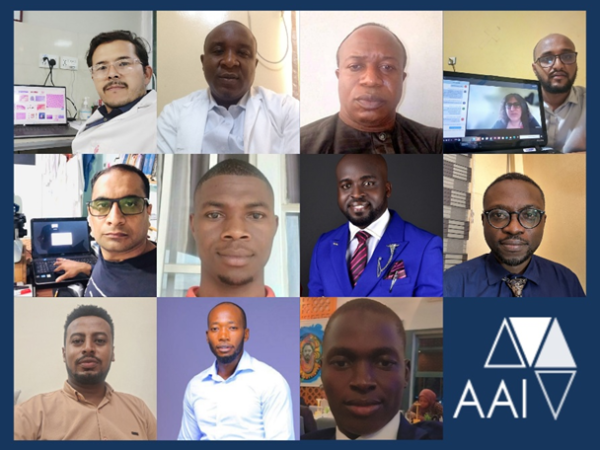
Pathologists Refresh on Basics to Diagnose Cancers
The human body is composed of numerous tissues and systems – bone, breast, gastrointestinal, genitourinary, skin, and more – that are each defined by their own unique structures, characteristics, and diseases. In the United States, it is common for pathologists to subspecialize – spending their days reviewing slides from a single area of the body.…
Keep reading
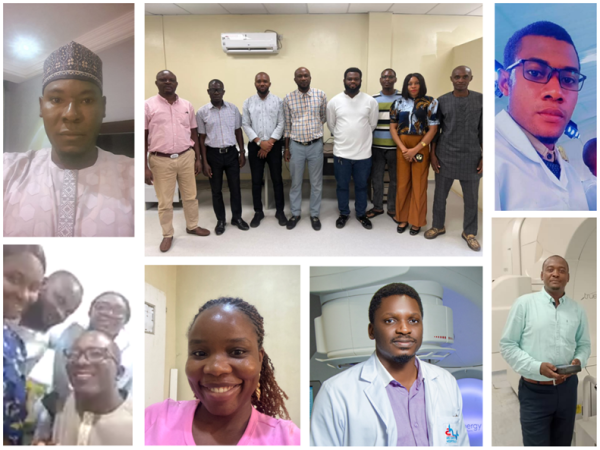
Communities of Practice Breakdown Silos, Strengthen Ties, and Facilitate Sharing Knowledge
In Nigeria, approximately 60% of cancer patients require radiotherapy as part of their care – yet access to this critical treatment modality has long been out of reach for most patients. To close this gap, Nigeria’s Federal Ministry of Health and Social Welfare (FMOH) is equipping six public hospitals with state-of-the-art radiotherapy systems, with MedServe,…
Keep reading
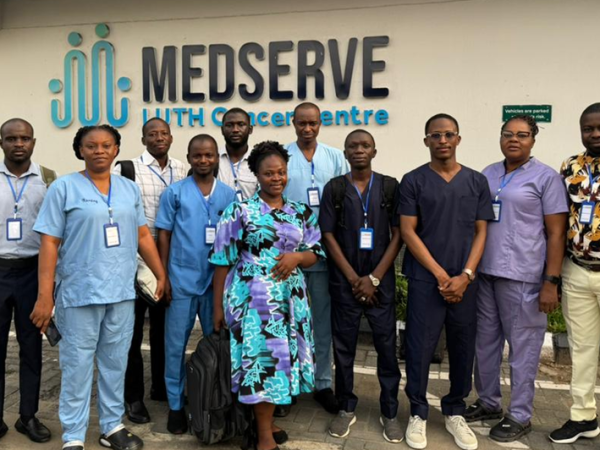
BVGH-MedServe Radiotherapy Training Program Kicks Off Year 2
In 2024, BVGH, the Nigeria Sovereign Investment Authority (NSIA), MedServe, and the MedServe-LUTH Cancer Center (MLCC) launched a first-of-its-kind radiotherapy training program for Nigerian medical physicists, nurses, radiation oncologists, and radiation therapists. More than 60 radiotherapy professionals from eight public hospitals representing all six geopolitical zones of Nigeria completed the intensive training program. This year,…
Keep reading
Something went wrong. Please refresh the page and/or try again.